
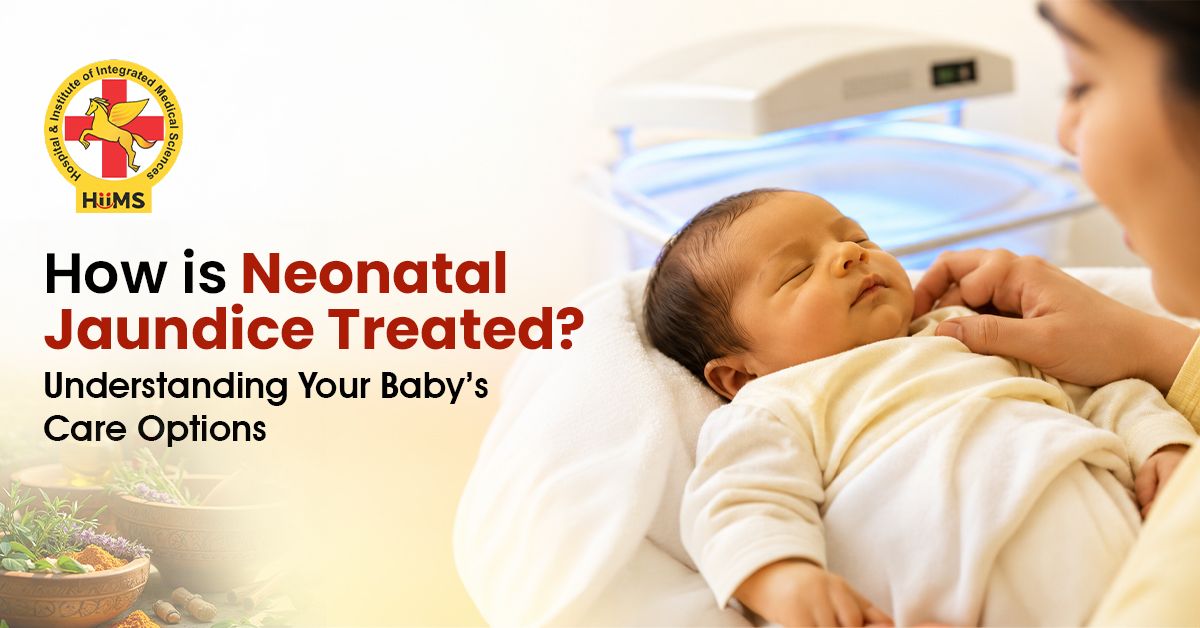
Neonatal jaundice is one of the most common conditions seen in newborn babies. It occurs when a yellow pigment called bilirubin builds up in the blood, causing the skin and the whites of the eyes to appear yellow. While seeing these changes in your newborn can be worrying, neonatal jaundice is usually temporary and highly treatable.
Treatment for neonatal jaundice depends on your baby's bilirubin levels, age, overall health, and the underlying cause. Mild cases often improve naturally with regular feeding, while more severe cases may require medical interventions such as phototherapy or other specialized treatments.
In this article, we will explain the causes of neonatal jaundice, its symptoms, available treatment options, and important home-care measures to help parents feel informed and confident during their baby's recovery.
What Causes Neonatal Jaundice?
Neonatal jaundice develops when a newborn's body produces more bilirubin than the immature liver can process and remove efficiently.
Bilirubin is created when old red blood cells break down naturally. In older children and adults, the liver filters bilirubin from the bloodstream and removes it through the digestive system. However, a newborn's liver is still developing and may not be able to eliminate bilirubin quickly enough during the first few days of life.
As bilirubin accumulates, the baby's skin and eyes begin to take on a yellowish appearance. This condition typically appears within the first two to three days after birth and often resolves within one to two weeks.
How Doctors Measure Bilirubin Levels
Healthcare providers use two common methods to evaluate bilirubin levels:
Transcutaneous Bilirubin Test (TcB)
A small handheld device is gently placed on the baby's forehead or chest to estimate bilirubin levels without drawing blood.
Total Serum Bilirubin Test (TSB)
If bilirubin levels appear elevated, a blood sample may be taken to determine the exact bilirubin concentration and guide treatment decisions.
Signs and Symptoms of Neonatal Jaundice
The most noticeable symptom of neonatal jaundice is yellow discoloration of the skin and eyes. The yellow color often begins on the face and gradually spreads downward to the chest, abdomen, arms, and legs.
Other symptoms may include:
- Yellowing of the whites of the eyes
- Increased sleepiness
- Difficulty waking for feeds
- Poor feeding habits
- Reduced urine output
- Fewer bowel movements than expected
If symptoms worsen or bilirubin levels rise rapidly, prompt medical evaluation is important.
Treatment Options for Neonatal Jaundice
The choice of neonatal jaundice treatment depends on the severity of the condition and the baby's bilirubin levels. Pediatricians follow established guidelines to determine the most appropriate approach.
1. Frequent Feeding and Hydration
For mild jaundice, increasing feeding frequency is often the first step.
Whether breastfed or formula-fed, babies should be fed every two to three hours. Frequent feeding helps stimulate bowel movements and urination, allowing bilirubin to leave the body more efficiently.
Benefits of regular feeding include:
- Improved hydration
- Increased stool production
- Faster bilirubin elimination
- Reduced risk of worsening jaundice
Many mild cases resolve with feeding support alone.
2. Phototherapy (Light Therapy)
Phototherapy is the most commonly used treatment for moderate to severe neonatal jaundice.
During treatment, the baby is placed under special blue-green lights while wearing protective eye coverings. Only a diaper is usually worn to maximize skin exposure.
How Phototherapy Works
The therapeutic light changes the structure of bilirubin molecules in the skin, converting them into a form that can be more easily removed through urine and stool.
Phototherapy is:
- Safe
- Non-invasive
- Highly effective
- Widely used worldwide
Home Phototherapy
In some cases, healthcare providers may recommend a portable phototherapy device known as a biliblanket. This allows treatment to continue at home while parents maintain normal feeding and bonding routines.
3. Intravenous Immunoglobulin (IVIG)
Certain cases of neonatal jaundice occur because of blood type incompatibility between the mother and baby, such as Rh incompatibility or ABO incompatibility.
In these situations, maternal antibodies may attack the baby's red blood cells, causing rapid breakdown and excessive bilirubin production.
IVIG therapy can help by:
- Reducing the destruction of red blood cells
- Lowering bilirubin production
- Decreasing the need for more invasive treatments
The medication is administered through an intravenous line under medical supervision.
4. Exchange Transfusion
Exchange transfusion is reserved for rare and severe cases when bilirubin levels remain dangerously high despite other treatments.
During the procedure, small amounts of the baby's blood are gradually removed and replaced with donor blood. This process quickly reduces bilirubin levels and removes harmful antibodies.
Although exchange transfusions are uncommon, they can be lifesaving in critical situations and help prevent serious neurological complications.
Caring for a Baby With Jaundice at Home
Many newborns with mild jaundice can be safely monitored at home under medical guidance.
Helpful Home Care Tips
Feed Frequently
Offer breast milk or formula every two to three hours to support bilirubin elimination.
Monitor Wet and Dirty Diapers
Tracking diaper output helps ensure your baby is feeding adequately and staying hydrated.
Attend Follow-Up Appointments
Regular checkups allow healthcare providers to monitor bilirubin levels and recovery progress.
Avoid Direct Sun Exposure
Placing a newborn in direct sunlight is not recommended. Newborn skin is extremely sensitive and can burn easily.
Warning Signs That Need Immediate Medical Attention
Contact your pediatrician immediately if you notice:
- Yellowing spreading to the legs, feet, or lower body
- Extreme sleepiness or difficulty waking
- Poor feeding or refusal to eat
- Fewer than six wet diapers daily after the first few days
- A high-pitched cry
- Unusual body stiffness or back arching
These symptoms may indicate rising bilirubin levels and require urgent evaluation.
Conclusion
Neonatal jaundice can be concerning for parents, but it is a common condition that is usually temporary and highly manageable. Most babies recover completely with proper monitoring and treatment.
Whether care involves frequent feeding, phototherapy, IVIG therapy, or, in rare situations, exchange transfusion, modern medical treatments are highly effective in reducing bilirubin levels and protecting newborn health.
By staying informed, following your healthcare provider's recommendations, and monitoring your baby's feeding and diaper patterns, you can help support a smooth and healthy recovery.
Frequently Asked Questions
1. How long does neonatal jaundice usually last?
In most healthy newborns, mild jaundice improves within one to two weeks as the liver matures and bilirubin levels decrease naturally.
2. Can breastfeeding cause jaundice?
Some breastfed babies may experience prolonged jaundice, but breastfeeding is generally encouraged because of its many health benefits.
3. Can neonatal jaundice return after treatment?
Once bilirubin levels normalize and the liver becomes more efficient at processing bilirubin, jaundice rarely returns.
4. Is phototherapy safe for newborns?
Yes. Phototherapy is considered a safe and effective treatment with minimal side effects when administered under medical supervision.
5. How can parents help prevent severe jaundice?
Ensuring frequent feeding after birth, attending newborn checkups, and monitoring for early symptoms can help reduce the risk of severe bilirubin buildup.